Losing most or all of your teeth can significantly affect how you eat, speak, and feel on a daily basis. Many people find that conventional dentures, while helpful, do not always replicate the stability needed to chew a wide range of foods comfortably. This is where full mouth implants offer a different approach.
For people exploring full mouth implants in West Ryde, one of the most common questions is whether implant-supported restorations can genuinely restore the ability to chew the way natural teeth once did.
This blog post explores how full mouth implants work, why they may support improved chewing function, and what the treatment process generally involves. Understanding these factors can help you have a more informed conversation with your dental team.
Why Chewing Function Matters for Overall Health
Chewing is the first stage of digestion. When teeth are missing or when existing dental appliances make chewing difficult, it can limit the types of food a person feels comfortable eating. Over time, this may lead to avoiding harder or more nutritious foods like raw vegetables, lean meats, and whole grains.
For those exploring full mouth implants in West Ryde, understanding this connection between chewing function and overall health is an important part of the decision-making process. Reduced chewing efficiency can also place additional stress on the jaw joints and surrounding muscles.
The body adapts by shifting bite forces to other areas, which can sometimes contribute to jaw discomfort or uneven wear on remaining teeth. Restoring reliable chewing function is therefore not just about comfort it may also support broader dietary choices and long-term digestive health.
What Are Full Mouth Implants?
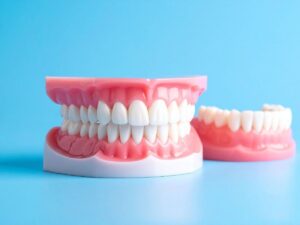
Full mouth implants refer to a treatment approach in which dental implants are used to support a full arch of replacement teeth either on the upper jaw, lower jaw, or both. Rather than resting on the gums like traditional dentures, the replacement teeth are anchored to implants that are placed into the jawbone.
How Implants Interact with the Jawbone
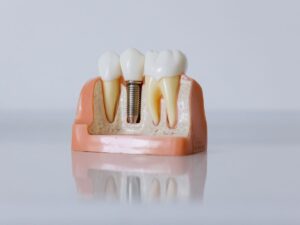
Dental implants are small titanium posts that are surgically placed into the jawbone. Over a healing period, the jawbone typically integrates around the implant surface in a process called osseointegration. This creates a stable foundation that mimics the role that natural tooth roots once played.
Because the implants are anchored in bone, the restoration supported by them does not shift or move during chewing. This stability is one of the key reasons implant-supported restorations are designed to support more natural biting and chewing patterns compared to removable appliances.
How Full Mouth Implants May Restore Chewing Ability
Stability During Biting and Chewing
One of the primary mechanical advantages of implant-supported teeth is that they do not rely on suction, adhesive, or soft tissue support to stay in place. When chewing forces are applied, the load is transferred through the restoration and down into the implant, then distributed into the surrounding bone much like how natural teeth function.
This means a person can apply more consistent biting force without the concern of the restoration shifting. Many people find this allows them to chew a broader range of foods with greater confidence.
Preserving Jawbone Structure
When teeth are lost, the jawbone in that area no longer receives regular stimulation from biting and chewing. Over time, the bone may gradually reduce in volume, a process known as resorption. This bone loss can change the shape of the jaw and face, and may also affect how well a removable appliance fits.
Because dental implants are placed into the bone and stimulate it during chewing, they may help slow down the rate of bone resorption in the treated area. Maintaining bone volume can support the long-term stability and fit of the restoration.
Restoring Bite Force Gradually
After full mouth implant treatment, the restoration is designed to distribute chewing forces more evenly across the jaw. The treating dentist in West Ryde will assess the bite carefully to ensure the implants and replacement teeth are aligned in a way that supports comfortable and balanced chewing.
It is worth noting that patients are generally advised to follow a gradual dietary progression after treatment starting with softer foods and slowly reintroducing firmer textures as healing progresses and comfort allows.

Common Treatment Approaches for Full Mouth Implants
There are several implant-supported solutions that may be considered for full mouth restoration. The most appropriate option depends on the individual’s bone density, oral health, and treatment goals.
Implant-Supported Fixed Bridges
This approach uses a series of implants often four to six per arch to support a fixed bridge of replacement teeth. The bridge is not removable by the patient and functions similarly to natural teeth during daily activities like eating and speaking.
All-on-4 Style Restorations
The All-on-4 concept uses four strategically placed implants per arch to support a full arch of replacement teeth. The posterior implants are often placed at an angle to maximise contact with available bone, which may reduce the need for bone grafting in some cases.
This approach is designed to offer a balance between the number of implants required and the level of stability achieved. Suitability varies from person to person, and a thorough clinical assessment is required to determine whether this option may be appropriate.
Implant-Retained Overdentures
In some cases, two to four implants per arch are used to anchor a removable overdenture. The implants provide a secure attachment point, which may significantly improve the stability of the denture during chewing compared to a conventional removable denture without implant support.
What to Expect During the Treatment Process
Full mouth implant treatment is typically carried out in stages. An initial consultation and assessment phase allows the dental team to review bone density, gum health, and overall oral health before developing a personalised treatment plan.
Implant placement is usually performed under local anaesthesia. A healing period follows, during which osseointegration takes place. Temporary restorations may be provided during this time to maintain function and appearance.
Once healing is confirmed, the final restoration is fitted, adjusted, and reviewed over subsequent appointments to ensure comfort, bite alignment, and aesthetics meet the individual’s needs.
The total treatment timeline can vary considerably depending on factors such as whether any extractions or bone grafting are needed, how quickly healing progresses, and the specific treatment approach chosen.
Frequently Asked Questions
Can I eat normally after full mouth implant treatment?
Most people find that, once treatment is complete and healing is confirmed, they are able to eat a wider variety of foods than they could with missing teeth or unstable conventional dentures. However, individual outcomes vary, and your dental team will provide guidance based on your specific situation. A gradual return to firmer foods is typically recommended during the healing phase.
Are full mouth implants suitable for everyone?
Not everyone will be a suitable candidate for full mouth implants without additional preparation. Factors such as bone density, gum health, and overall medical history all play a role in determining suitability. In some cases, preparatory treatments such as bone grafting or management of gum disease may be recommended before implant placement can proceed. A thorough clinical assessment is the appropriate starting point.
How long does the full mouth implant process take?
The timeline varies from person to person. For some individuals, the process from initial consultation to the fitting of the final restoration may take several months, particularly if healing time after implant placement is required. Your treating dentist will provide an estimated timeline based on your individual treatment plan.
How do I care for implant-supported teeth?
Implant-supported restorations require regular oral hygiene, including brushing, flossing or using interdental brushes where appropriate, and attending routine dental check-ups. While the replacement teeth themselves are not susceptible to decay, the surrounding gum tissue and bone still require ongoing care. Your dental team will provide tailored hygiene instructions to support the long-term health of your implants.
Conclusion
Full mouth implants represent a well-established approach to restoring dental function for people who have experienced significant tooth loss. By anchoring replacement teeth directly into the jawbone, this treatment may help restore more natural chewing ability, support bone preservation, and improve everyday comfort when eating and speaking.
If you have been considering your options and would like to understand whether full mouth implant treatment may be suitable for your circumstances, speaking with an experienced dental team is a sensible first step.
Dental and Facial Clinic West Ryde offers comprehensive consultations to help patients explore their restoration options and develop a treatment plan aligned with their individual needs and oral health goals.
References:
- Centers for Disease Control and Prevention. (n.d.). Oral health basics. Available at: https://www.cdc.gov/oral-health/about/?CDC_AAref_Val=https://www.cdc.gov/oralhealth/basics/index.html
- Australian Institute of Health and Welfare. (n.d.). Oral health and dental care in Australia. Available at: https://www.aihw.gov.au/reports/dental-oral-health/oral-health-and-dental-care-in-australia/contents/about
- National Library of Medicine. (2022). Dental implant restoration and masticatory function. Available at: https://pmc.ncbi.nlm.nih.gov/articles/PMC9556469/
- National Library of Medicine. (2026). Effects of dental implants on dietary and nutritional outcomes. https://pmc.ncbi.nlm.nih.gov/articles/PMC12903446/