Losing multiple teeth or even a full arch can affect more than just your appearance. It can change the way you eat, speak, and feel about yourself day to day. For many people in West Ryde looking for a long-term solution, all-on-6 dental implants in West Ryde have become a well-regarded treatment option worth exploring.
This article explains what All-on-6 implants are, how the treatment process generally works, who may be a suitable candidate, and what you can reasonably expect during recovery.
Whether you’re just beginning your research or preparing for a consultation, understanding the basics can help you have a more informed conversation with your dental professional.
What Are All-on-6 Dental Implants?
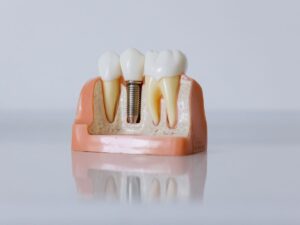
All-on-6 is a full-arch tooth replacement approach that uses six titanium implant posts to support a complete set of prosthetic teeth. The number “6” refers to the six implants placed in the jawbone four towards the front and two positioned at an angle towards the back of the arch.
For patients considering all-on-6 dental implants in West Ryde, it is worth understanding that this angled placement is designed to take advantage of areas where bone density is typically stronger, which may reduce the need for bone grafting in some cases. However, individual suitability always depends on a thorough assessment by a qualified dental professional.
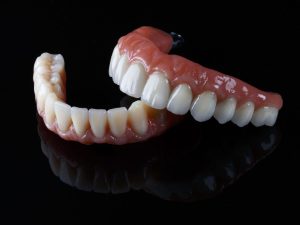
The prosthetic arch attached to these implants is custom-made and designed to function similarly to natural teeth, allowing for improved comfort and everyday function compared to traditional removable dentures.
How Does the All-on-6 Procedure Generally Work?
Initial Assessment and Planning
The process begins with a comprehensive dental examination, which typically includes 3D imaging (such as a cone beam CT scan) and X-rays. This allows your dental team to assess your bone structure, gum health, and overall oral health in detail.
A personalised treatment plan is developed based on your specific anatomy and needs. This planning stage is essential no two patients are alike, and the placement of implants requires careful, individual consideration.
Implant Placement
On the day of the procedure, the six titanium implants are surgically placed into the jawbone. Local anaesthesia is used, and sedation options may be discussed with your treating dentist depending on your circumstances.
In some cases, a temporary set of teeth may be fitted on the same day, a feature sometimes described as “teeth in a day.” This is not universally applicable, and your dental team will advise whether this is appropriate for your situation.
Healing and Osseointegration
After placement, the implants go through a process called osseointegration where the titanium fuses with the surrounding jawbone over several months. This is what gives implants their stability and is a critical part of the treatment.
During this healing phase, patients are typically advised to follow a modified diet and maintain specific oral hygiene routines to support recovery.
Final Restoration
Once osseointegration is confirmed, the final prosthetic arch is fitted. This is designed to be durable, functional, and natural-looking. Your dental clinic in West Ryde will check the fit and bite carefully before completing treatment.
Who May Be a Suitable Candidate?
All-on-6 implants may be considered for individuals who:
- Have lost most or all of their teeth on one or both arches
- Have experienced significant bone loss but retain enough bone to support six implants
- Are in generally good health and do not have conditions that may impair healing
- Are non-smokers or are willing to quit smoking before and during the healing process
- Have realistic expectations about the treatment timeline and outcomes
It is important to note that candidacy is determined through clinical assessment, not self-diagnosis. Conditions such as uncontrolled diabetes, certain medications, or insufficient bone volume may affect suitability. Your dental professional will discuss all relevant factors during your consultation.
How Does All-on-6 Compare to Other Full-Arch Options?
All-on-6 vs. All-on-4
All-on-4 uses four implants to support a full arch, whereas All-on-6 uses six. The additional two implants in the All-on-6 approach may offer enhanced load distribution across the arch, which can be beneficial for patients who have sufficient bone volume.
Neither option is universally superior; the most appropriate treatment depends on individual bone quality, anatomy, and clinical judgement.
All-on-6 vs. Traditional Dentures
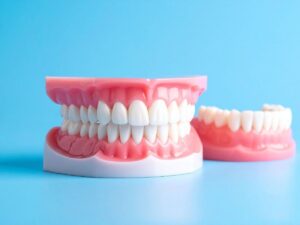
Traditional removable dentures rest on the gums and rely on adhesive or suction for stability. They may shift during eating or speaking, and over time, the underlying bone can gradually change shape due to lack of stimulation.
Implant-supported restorations are anchored into the bone, which means they function more like natural teeth. They do not require removal for cleaning in the same way and may help support jaw bone health over the long term.
All-on-6 vs. Individual Implants
For patients missing all or most of their teeth, placing individual implants for each tooth is generally not practical or cost-effective. Full-arch solutions like All-on-6 dental implants are designed to restore an entire arch using fewer implant posts, making the approach more viable for complex cases.
Caring for Your All-on-6 Implants
Maintaining good oral hygiene is essential for the longevity of implant-supported restorations. While the prosthetic teeth themselves cannot develop decay, the gum tissue and implants around them are still vulnerable to bacterial build-up and inflammation, a condition known as peri-implantitis.
Recommended care typically includes:
- Brushing twice daily using a soft-bristled toothbrush or electric toothbrush
- Using an interdental brush or water flosser to clean around the implant posts and beneath the prosthetic arch
- Attending regular dental check-ups so your dental team can monitor the health of your implants and surrounding tissue
- Avoiding habits that may stress the implants, such as chewing on very hard foods or grinding teeth without a protective splint
Your dental team will provide specific care instructions tailored to your restoration type.
Frequently Asked Questions About All-on-6 Implants
How long does the All-on-6 treatment process take from start to finish?
The overall timeline varies depending on individual factors, including whether any extractions or preparatory work are required before implant placement. In general, the full process from initial assessment to fitting of the final prosthesis can take several months.
This is largely due to the osseointegration period, which allows the implants to bond securely with the jawbone before the permanent arch is fitted.
Your treating dentist will give you a more accurate timeline during your consultation once your specific circumstances have been assessed.
Is the procedure uncomfortable?
The surgical placement is performed under local anaesthesia, so you should not feel pain during the procedure itself. Some discomfort, swelling, and tenderness are common in the days following surgery, and pain management options will typically be discussed with you beforehand.
Most patients find that any post-operative discomfort is manageable and gradually subsides over one to two weeks. Individual experiences vary, and your dental team will advise you on what to expect based on your case.
Will All-on-6 implants look natural?
The prosthetic arch used in All-on-6 restorations is custom-fabricated to suit your facial structure and aesthetic preferences. Materials are chosen to mimic the colour and appearance of natural teeth. While outcomes vary between individuals, the goal is to create a result that appears consistent with your overall facial appearance.
What happens if an implant does not integrate successfully?
In some cases, an implant may not integrate as expected. This is uncommon, but it can occur. If this happens, your dental team will assess the situation and discuss options, which may include re-treatment once the area has healed. Factors such as smoking, certain health conditions, and bone quality can influence integration outcomes, which is why a thorough pre-treatment assessment is so important.
Conclusion
All-on-6 dental implants represent one of several treatment options available for people who have experienced significant tooth loss. When performed after careful clinical assessment, this approach may help restore function, improve comfort, and support long-term oral health.
Understanding what the treatment involves from the planning stages through to aftercare can help you approach your consultation with greater confidence.
If you’re exploring full-arch tooth replacement options, the team at Dental and Facial Clinic West Ryde welcomes you to book a consultation to discuss whether this treatment may be appropriate for your individual needs.
References:
- World Health Organization. (n.d.). Oral health. Available at: https://www.who.int/health-topics/oral-health#tab=tab_1
- National Center for Biotechnology Information. (n.d.). Dental implants overview. Available at: https://www.ncbi.nlm.nih.gov/books/NBK470448/
- National Institute for Health and Care Excellence. (n.d.). Oral and dental health. Available at:https://www.nice.org.uk/guidance/conditions-and-diseases/oral-and-dental-health
- Australian Institute of Health and Welfare. (n.d.). Oral health and dental care in Australia. Available at: https://www.aihw.gov.au/reports/dental-oral-health/oral-health-and-dental-care-in-australia/contents/about