If you’ve been considering dental implants in West Ryde, it’s natural to wonder whether the procedure is going to be painful. Pain is one of the most common concerns patients raise before committing to implant treatment and it’s a completely reasonable one.
The good news is that understanding what actually happens during and after the procedure can go a long way toward easing that anxiety. Most people are surprised to find that the experience is far more manageable than they expected.
This article walks you through what you might feel at each stage, how discomfort is typically managed, and what to watch for during recovery so you feel informed and prepared before your appointment.
What Happens During a Dental Implant Procedure?
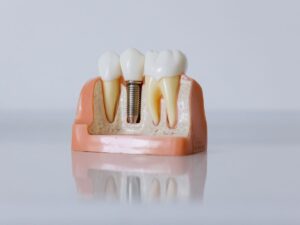
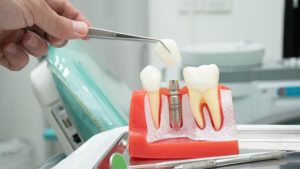
A dental implant is a small titanium post that is placed into the jawbone to replace the root of a missing tooth. Once the dental implants in West Ryde integrate with the bone, a crown or prosthetic tooth is attached on top.
The surgical placement is done under local anaesthesia, which numbs the area thoroughly before any work begins. Most patients report feeling pressure or movement during the procedure, but not sharp pain. The anaesthetic is designed to block pain signals while keeping you awake and comfortable.
Some clinics also offer sedation options for patients who feel anxious, which can further reduce discomfort and make the experience feel much shorter.
Does the Implant Surgery Itself Hurt?
For the majority of patients, the answer is no, not during the procedure itself. Once the anaesthetic takes effect, the treatment area becomes numb and the dentist can work without causing pain.
What patients often describe feeling is:
- Pressure when the implant post is being positioned
- Vibration from dental instruments
- Mild tugging sensations in the surrounding tissue
These are normal sensations and are not signs that something is wrong. If at any point during the procedure you feel actual pain rather than pressure, you should let your dentist know immediately. Additional anaesthetic can be administered as needed.
For patients with dental anxiety, discussing your concerns with your dentist beforehand allows them to tailor the experience to your comfort level.
What to Expect After the Procedure
The hours following implant surgery are when most patients experience the most noticeable discomfort. Once the anaesthetic wears off usually three to five hours after the procedure you may begin to feel:
- Soreness or throbbing at the implant site
- Mild to moderate swelling in the jaw or cheek
- Some bruising around the treated area
- Minor bleeding for the first day or two
This is a normal part of the healing response. Your body is working to repair the surgical site and begin the process of osseointegration where the bone gradually fuses with the titanium implant over the following weeks.
How Long Does Post-Procedure Discomfort Last?
For most patients, the initial soreness tends to peak within the first 48 to 72 hours and then gradually improves. By the end of the first week, many people feel significantly more comfortable.
The deeper healing process where the implant fuses with the jawbone continues over several weeks to months, but this stage is generally not painful. Most patients return to regular daily activities within a few days of the initial surgery.
How Is Discomfort Managed After Implant Surgery?
Your dentist will provide specific post-operative care instructions before you leave the clinic. Pain management after implant surgery typically involves:
Over-the-counter pain relief: Anti-inflammatory medications such as ibuprofen are commonly recommended to manage swelling and soreness. Always follow your dentist’s guidance on appropriate dosage and timing.
Cold compresses: Applying an ice pack to the outside of the cheek during the first 24 hours can help reduce swelling and numb the area gently.
Soft diet: Eating soft foods for several days following surgery reduces pressure on the implant site and supports comfort during early healing.
Rest: Avoiding strenuous physical activity for the first couple of days helps the body focus on recovery without unnecessary strain.
In some cases, a short course of antibiotics may be prescribed to reduce the risk of infection, particularly if the surgical site was complex or if multiple implants were placed.
Are There Any Signs You Should Contact Your Dentist?
While mild discomfort is expected, there are certain symptoms that warrant a follow-up call to your dental clinic:
- Pain that is worsening after the third or fourth day rather than improving
- Swelling that is increasing significantly beyond the first 48 hours
- Persistent or heavy bleeding after the first 24 hours
- Fever or signs of infection such as unusual discharge at the site
- Numbness that does not resolve after the anaesthetic should have worn off
These signs don’t necessarily indicate a serious problem, but they should be assessed promptly. Early contact with your dental clinic in West Ryde allows for timely support if needed.
FAQ: Dental Implant Pain and Discomfort
Is it normal to feel sore for a week after implant surgery?
Yes, some degree of soreness for up to a week is considered normal following dental implants placement. The first two to three days are typically the most uncomfortable, with improvement expected from day four onwards. If soreness is severe or is not easing after a week, it is worth contacting your dental clinic for reassessment.
Can I take pain relief before the anaesthetic wears off?
Many dentists recommend taking over-the-counter pain relief before the local anaesthetic fully wears off, so the medication can begin working while you are still comfortable. Discuss this with your dentist before leaving your appointment they will advise the best timing and product for your situation.
Will I need time off work after getting an implant?
This varies from person to person. Some patients return to desk-based work the following day, while others prefer to take two to three days to rest, particularly if they experience notable swelling or fatigue. If your role involves physical activity, additional recovery time may be beneficial. Your dentist can provide guidance based on your individual circumstances.
Does the bone integration process cause pain?
The osseointegration phase where the implant bonds with the jawbone over several weeks does not typically cause significant pain. Most patients are unaware of this process once the initial post-surgical discomfort resolves. Routine check-ups during this period allow your dentist to monitor healing and address any concerns.
Conclusion
Dental implant treatment involves a surgical procedure, so some degree of discomfort is to be expected particularly in the first few days following surgery. However, with proper anaesthesia during the procedure and a clear post-operative care plan, most patients find the experience far more manageable than anticipated.
Understanding what is normal, how to support your recovery at home, and when to seek further advice can make a meaningful difference to your overall experience.
If you have questions or would like to explore whether implant treatment may be appropriate for your situation, the team at Dental and Facial Clinic West Ryde is available to discuss your options in a comfortable, no-pressure environment. A personalised consultation can help you understand what to expect and plan your care with confidence.
References:
- https://aaid-implant.org/faqs/what-are-dental-implants/
- Mayo Clinic. (n.d.). Dental implants. Available at: https://www.mayoclinic.org/tests-procedures/dental-implant-surgery/about/pac-20384622
- National Library of Medicine. (2022). Dental implant restoration and masticatory function. Available at: https://pmc.ncbi.nlm.nih.gov/articles/PMC9556469/
- National Library of Medicine. (2026). Effects of dental implants on dietary and nutritional outcomes. https://pmc.ncbi.nlm.nih.gov/articles/PMC12903446/