Losing a tooth isn’t just about aesthetics—it can lead to significant changes in your oral health, particularly affecting your jawbone.
When a tooth is missing, the underlying bone lacks the necessary stimulation, leading to deterioration over time.
Dental Implants offer a solution that not only restores your smile but also preserves the integrity of your jawbone.
In this article, we’ll break down how this works, why it matters, and what it means for the long-term health of your mouth.
We’ll keep the language simple and the facts clear, helping you understand the value of implants beyond just the surface.
Understanding Jawbone Loss
The Role of Tooth Roots
Tooth roots are deeply connected to the health of your jawbone. Every time you chew or bite, the pressure stimulates the bone beneath your gums.
This stimulation signals the body to keep the bone strong and full of nutrients. Without a root, this process stops.
The bone then begins to shrink or break down—a process called bone resorption.
What Happens Over Time
Bone resorption can start within the first year after losing a tooth. The longer the bone goes without stimulation, the more it shrinks.
This change affects how your face looks, making it appear older or sunken.
It also makes it harder for your dentist to place future implants or other restorations because there may not be enough healthy bone left.
Why Bone Loss is a Serious Issue
When the jawbone disappears, it’s not just about looks. It can make chewing painful, affect how you speak, and even cause your remaining teeth to shift. This can lead to bite problems, more tooth loss, and extra dental procedures.
How Dental Implants Help Prevent Bone Loss
Replacing the Root Structure
One of the biggest differences between implants and other tooth replacements is that implants go into the bone—just like real tooth roots.
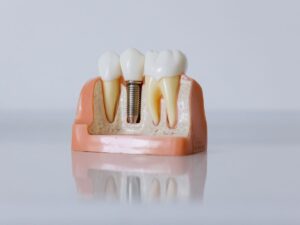
A small titanium post is placed where the root used to be. This post is the base for the crown that looks like a natural tooth.
The Power of Osseointegration
Once the implant is placed, a process called osseointegration begins. This means the bone grows around the implant, locking it in place. This bond keeps the implant secure and also allows the bone to stay active.
By restoring the lost root and giving the bone a purpose again, implants stop bone resorption. This helps keep your jaw strong and stable for years.
Long-Term Benefits for the Jawbone
Maintaining Bone Density
Regular use of the jaw with an implant gives the bone the same signals it would get from a natural tooth. That keeps the bone from breaking down and helps it stay thick and strong.
In contrast, dentures and bridges rest on the gums and don’t connect to the bone, so they don’t offer this benefit. A dentist in West Ryde can explain how implants support bone health better than traditional options.
Preventing Facial Collapse
Over time, missing bone can make your lower face look collapsed. Your lips may fold in, your chin might move forward, and wrinkles can deepen.
Implants help maintain your face shape by keeping the bone volume under control.
Protecting Other Teeth
When bone shrinks near a missing tooth, the nearby teeth can become loose. They may shift into the empty space, creating bite problems and leading to more tooth loss. Implants keep the bone stable, reducing the risk to other teeth.
How Implants Compare to Other Solutions
Dentures
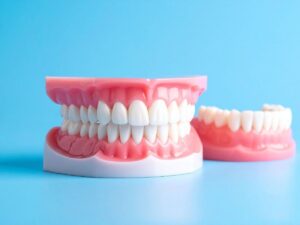
Dentures are a common way to replace teeth, especially for people missing many at once. But they sit on top of the gums and don’t interact with the bone.
That means the bone continues to shrink over time. Dentures can also slip or cause sore spots as the jaw changes.
Bridges
The teeth on either side of a gap are used to hold a false tooth in place. Dental bridges look nice and work well for chewing, but they don’t replace the root. As a result, the bone under the bridge can still weaken.
Why Implants Are Different
Only implants replace both the visible tooth and the root below. This gives them the ability to preserve bone and stay secure over time.
That’s a big reason why many people choose implants even if other options seem easier at first.
Step-by-Step: How Implants Are Placed
Step 1: Evaluation and Planning
Your dentist will take X-rays or 3D scans to check the health of your bone. If there’s not enough bone, you might need a bone graft to build it up.
Planning is important to place the implant in the right spot and avoid future problems.
If you live in West Ryde, it’s easy to find a dental clinic with access to modern imaging tools and professionals experienced in placing implants.
Step 2: Surgical Placement
The implant post is placed into the jawbone during a simple surgical procedure. Most people use local anaesthesia and feel only mild discomfort afterward. It usually takes 1 to 2 hours per implant.
Step 3: Healing and Bonding
Over the next few months, your bone grows around the post. This forms a strong base for your new tooth. Your dentist will monitor the healing and let you know when it’s ready for the next step.
Step 4: Placing the Crown
Once healed, a connector is attached to the implant. Then, a crown is placed on top. This crown is shaped and coloured to match your natural teeth.
The result is a tooth that looks real, feels solid, and helps your bone stay healthy.
Life with Implants: Care and Maintenance

How to Keep Implants Healthy
Just like real teeth, implants need daily brushing and flossing. You should also visit the dentist regularly for check-ups. Keeping your gums healthy is important because infections can damage the bone around the implant.
How Long Do They Last?
With good care, implants can last 20 years or more. Some people have theirs for a lifetime. This long lifespan makes them a great investment for both function and health.
Who Should Get Implants?
Good Candidates
If you are healthy and have enough bone, implants are a great choice. Even if you’ve lost some bone, procedures like bone grafting can help. People who don’t smoke and take care of their teeth tend to have better results.
Age Is Not a Problem
Adults of all ages can benefit from a dental implant. Whether you’re in your 30s or 70s, it can improve your oral health and keep your smile strong. Teens usually need to wait until their jaw finishes growing before getting one.
Living in West Ryde? Here’s Why It Matters
In places like West Ryde, access to experienced dental professionals means patients can confidently choose implants.
With growing awareness around long-term dental care, more people are now turning to implants as a safer, long-lasting option.
A dentist can evaluate your situation and suggest whether implants are the best solution for you.
Whether you’re replacing one tooth or many, this modern method offers clear benefits for your bones and smile. Implants could be the key to keeping your jaw healthy and strong.
Conclusion
Dental health is about more than keeping your teeth white—it’s about protecting the structure that holds everything together.
Your jawbone is one of the most important parts of your mouth, and once you lose it, it doesn’t come back easily.
Dental implants offer a real solution. They don’t just fill gaps; they keep your bone strong, support your other teeth, and help you keep your face shape.
They last a long time, feel natural, and can change the way you feel about your smile. If you’re missing a tooth or think you might need one removed, now’s the time to think about the future.
Talk to your dentist today to see if dental implants are right for you and take the first step toward a healthier smile.
Sources
- https://www.mayoclinic.org/tests-procedures/dental-implant-surgery/about/pac-20384622
- https://www.healthline.com/health/dental-and-oral-health/benefits-of-dental-implants
- https://www.ncbi.nlm.nih.gov/pmc/articles/PMC10982840/
- https://www.dentalassociates.com/blog/5-tooth-replacement-options-your-dentist-may-recommend