Dental Implants are a reliable solution for people with missing teeth. They make it easier to chew, speak clearly, and restore your smile’s appearance.
But they aren’t right for everyone. Some people may need healthy gums and strong bone support for the implant to work well.
In this article, we’ll explain who makes a good candidate for Dental Implants, what the procedure includes, and what you can expect before and after treatment.
Whether you’re missing one tooth or several, this guide will help you understand your options and decide if this treatment is the right choice for your smile.
What Are Dental Implants?
Before we talk about who should get them, let’s understand what they are.
The Basics
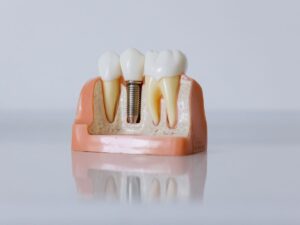
A dental implant is a small metal post, usually made of titanium, that a dentist places into your jawbone. Over time, the bone grows around it. Once it’s secure, a crown (fake tooth) goes on top to complete your smile.
Why People Choose Implants
Many people choose implants because they:
- Look and feel like real teeth
- Stay in place and don’t move like dentures
- Help keep the jawbone strong
According to the American Academy of Implant Dentistry, about 3 million people in the U.S. have implants, and that number grows each year.
Who Might Need a Dental Implant?
There are several reasons someone might consider Dental Implants. If you relate to any of these situations, implants might be a good choice for you.
Missing Teeth
If you have lost one or more teeth from injury, decay, or gum disease, implants can fill the gap. They don’t rely on other teeth for support, so your remaining teeth stay healthy.
Difficulty Chewing
Do you find it hard to chew food because of missing teeth or loose dentures? Implants are strong and stay in place, making it easier to eat all kinds of food.
Problems with Speech
Missing teeth or loose dentures can cause you to mumble or slur your words. Implants can help you speak clearly again.
Wanting a Long-Term Solution
Dentures and bridges may need to be replaced every few years. Implants, on the other hand, can last decades with proper care.
If you’re looking for a long-term solution to tooth loss, many local patients find implants to be a reliable, lasting option that supports both function and confidence. A trusted dentist in West Ryde can assess your needs and help you decide if implants are the right choice for your smile.
Who Is a Good Candidate?
While implants are great for many people, not everyone is a perfect match. Let’s look at the qualities that make someone a good candidate.
Healthy Gums
You need healthy gums to support the implant. If you have gum disease, it will need to be treated before getting started.
Enough Bone in Your Jaw
The implant needs to be held in place by bone. If your jawbone has shrunk or weakened, your dentist may recommend a bone graft first.
Good Oral Hygiene
You must brush and floss regularly to avoid infections. If you don’t take care of your mouth, the implant could fail.
No Smoking
Smoking slows healing and increases the chance of implant failure. If you smoke, quitting can improve your chances of success.
Age Consideration
While there is no upper age limit, young people must wait until their jawbones are fully developed—usually around age 18 or later.
Who Might Not Be a Good Fit?
There are some conditions and habits that can make implants risky or less likely to work.
Chronic Health Conditions
People with uncontrolled diabetes, cancer, or immune problems may not heal well after surgery. That doesn’t mean you can’t get implants, but your dentist will need to plan carefully.
Heavy Smokers
As mentioned, smoking reduces blood flow and healing. If you’re a heavy smoker, your dentist may suggest other options.
Poor Oral Habits
If you don’t brush, floss, or visit the dentist often, an implant may not last long. Taking care of your mouth is a must.
Teeth Grinding
Grinding or clenching your teeth (also called bruxism) can put extra pressure on implants and damage them. A night guard may be needed to protect your new teeth.
If you live near West Ryde and have questions about grinding, gum health, or bone structure, a local dental clinic can help you understand if you’re a good fit for implants.
What Happens During the Procedure?

If your dentist says you’re a good fit, here’s what the process usually looks like.
Step 1: Examination
The dentist will take X-rays or 3D images to see your bone and plan the implant’s location.
Step 2: Bone Graft (If Needed)
If your jawbone is too thin or soft, you may need extra bone added. This adds time to the process but helps the implant stay strong.
Step 3: Implant Placement
This is a minor surgery done with local anaesthesia. The dentist places the post into your jawbone. You may feel some soreness afterward, but pain is usually mild.
Step 4: Healing Time
Your bone needs time to grow around the implant, which takes about 3 to 6 months.
Step 5: Adding the Crown
Once the implant is secure, a small piece called an abutment is attached. Then the crown (the fake tooth) is added on top.
How Long Do Implants Last?
Implants are known for their durability. With proper care, dental implants can last 15 years or more. Some people even have them for life. That’s why brushing, flossing, and seeing your dentist regularly is so important.
Are There Any Risks?
Like any surgery, implants come with some risks. These include:
- Infection at the site
- Damage to nearby teeth or blood vessels
- Nerve problems (numbness or tingling)
- Sinus issues (if implants are placed in the upper jaw)
Most problems are rare and can be treated quickly if they happen.
How to Prepare for Dental Implants
If you and your dentist decide to move forward, there are a few steps to get ready.
Talk About Your Health
Be honest about your medical history. Let your dentist know about any medications or health problems you have.
Follow Pre-Surgery Instructions
Your dentist may ask you to stop eating for a few hours or take antibiotics before the procedure. Follow all instructions closely.
Arrange Transportation
You might feel tired after the surgery. It’s a good idea to have someone drive you home.
Tips for Healing and Aftercare
Good care after surgery can help your implant last longer and reduce problems.
Stick to Soft Foods
Eat soup, yoghurt, mashed potatoes, and smoothies for the first few days. Avoid crunchy or spicy foods until your mouth heals.
Keep the Area Clean
Brush gently around the area and use mouthwash if your dentist recommends it.
Rest
Take it easy for a day or two. Don’t do heavy lifting or exercise right after surgery.
Alternatives to Dental Implants
Implants are not the only way to replace missing teeth. Here are some other options:
Bridges
These false teeth attach to the teeth on either side of a gap. They offer a quicker solution without the need for surgery, making them convenient for many patients.
However, they may not be as durable or long-lasting as other options like dental implants, which provide greater stability and longevity.
Dentures
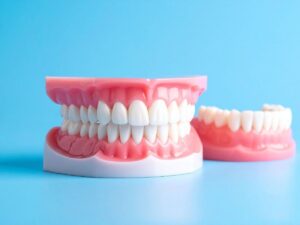
Dentures are removable, making them easy to clean and maintain. They generally cost less upfront than implants, which appeals to many patients.
However, dentures can sometimes feel uncomfortable or loose, causing difficulty with eating and speaking. Over time, they may require adjustments or replacements to maintain fit and comfort.
Partial Dentures
If you’re missing only a few teeth, a partial denture could be a good option. It clips securely onto your remaining natural teeth, providing support and filling the gaps.
Partial dentures help restore your smile and chewing ability without the need for surgery or more invasive treatments.
Conclusion
Dental implants are a strong, lasting way to replace missing teeth. They look natural, stay secure, and help restore your confidence.
However, they aren’t suitable for everyone. To be a good candidate, you need healthy gums, a strong jawbone, and good dental habits.
Your dentist will evaluate your oral health to determine if implants are right for you. If you live in West Ryde, consulting a local dentist is the best way to learn about your options.
Schedule a consultation today to find out if dental implants can help you regain a healthy, natural smile.
Sources:
https://www.aaid.com/
https://www.mayoclinic.org/tests-procedures/dental-implant/about/pac-20384622
https://pubmed.ncbi.nlm.nih.gov/26995275/
https://www.ncbi.nlm.nih.gov/pmc/articles/PMC8355452/