Smiling is one of the most natural things we do. Whether it’s greeting a friend or laughing with family, a healthy smile makes it easier to connect with others. But for many people, smiling doesn’t come so easily especially if a tooth is broken, damaged, or missing entirely.
Tooth loss or damage doesn’t just affect how your smile looks. It can also make chewing, biting, and even speaking more difficult. Many people start avoiding certain foods. Some become self conscious and stop smiling altogether. But there are solutions that are safe, reliable, and long lasting.
Dental crowns and bridges are two common treatments that help restore damaged or missing teeth. They don’t just cover gaps; they bring back the strength and function of your teeth. This guide explains what they are, how they work, and why more people including those in West Ryde are choosing these treatments to bring their smiles back to life.
What Is a Dental Crown?
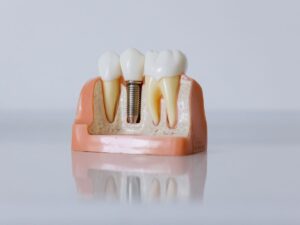
A dental crown is a tooth shaped “cap” that is placed over a damaged or weakened tooth. Its job is to protect that tooth and bring it back to its full size and function. Think of a crown as a strong outer shell that shields what’s left of your natural tooth underneath.
Crowns are used in many different situations:
- When a tooth is cracked or broken
- After a root canal, when the tooth is too weak on its own
- If a tooth is badly decayed or worn down
- To support a dental bridge
- To cover a dental implant
- To improve the appearance of a discoloured or oddly shaped tooth
Dentists choose from materials like porcelain, ceramic, metal alloys, and zirconia. The goal is to create something that matches your natural teeth as closely as possible. Once cemented in place, a crown feels and functions just like a regular tooth.
What Is a Dental Bridge?
While crowns protect damaged teeth, dental bridges fill in spaces where teeth are missing altogether. A bridge is made up of one or more false teeth (called pontics) that are anchored in place by crowns on either side. These anchoring teeth are called abutments.
A dental bridge is a great option when:
- One or more teeth are missing
- You don’t want to undergo surgery for dental implants
- You want to restore chewing and speaking ability quickly
- You want to keep nearby teeth from shifting into the empty space
Without a bridge, the teeth next to the gap may slowly move out of alignment. That can affect your bite and even change the shape of your face over time. A bridge helps prevent all of that and gives your mouth a more natural, even appearance.
Why People Choose Crowns and Bridges
Crowns and bridges are two of the most reliable tools in modern dentistry. But their benefits go far beyond restoring how things look.
1. Improved Chewing and Biting
When a tooth is broken or missing, chewing can become painful or awkward. You might avoid certain foods or chew only on one side of your mouth. That can cause uneven wear on your teeth or lead to jaw pain over time. Crowns and bridges fix that by restoring full chewing power.
2. Clearer Speech
Teeth help shape the sounds we make when we talk. When one or more are missing, your speech can be affected. Bridges fill in those gaps and make it easier to pronounce words clearly again.
3. More Confidence When Smiling
Even a small flaw in your smile can make you want to hide it. With crowns and bridges, you can feel confident knowing your teeth look natural and healthy. That’s one reason why many patients often choose these treatments when restoring their smiles.
The Treatment Process Step by Step
Getting a crown or bridge usually takes just two or three dental visits. Here’s what happens during each step.
Step 1: The Initial Consultation
Your journey begins with a visit to a dental clinic in West Ryde, where the dentist will examine your teeth. You might have X rays taken to check the roots and surrounding bone. If a crown or bridge is the right solution, the dentist will explain the treatment plan, timing, and costs involved.
Step 2: Preparing the Tooth or Teeth
If you’re getting a crown, the damaged tooth will be shaped so the crown can fit over it snugly. If you’re getting a bridge, the teeth on either side of the gap will be trimmed and shaped to hold the crowns that support the bridge.
A temporary crown or bridge is placed to protect your teeth while the permanent one is being made in the lab.
Step 3: Placing the Final Restoration
When the permanent crown or bridge is ready (usually within two weeks), you’ll return to the dental clinic in West Ryde for fitting. The dentist will check that it fits properly, feels right, and looks natural. Once it’s perfect, the crown or bridge is cemented in place.
You’ll leave the clinic with a new tooth, or teeth, that look and feel just like your own.
Caring for Crowns and Bridges
Crowns and bridges need care, just like natural teeth. With good habits, they can last many years, sometimes even decades.
Daily Oral Care
Brush twice a day with fluoride toothpaste. Floss carefully, especially around bridges. Your dentist may recommend floss threaders or water flossers to clean under the bridge where food can get stuck.
Regular Dental Visits
Visit your dentist every 6 months for cleanings and check ups. They’ll make sure your crown or bridge is holding up and catch any issues early.
Avoid Damaging Habits
Don’t use your teeth to open things, chew on ice, or bite pens. These habits can damage your dental work or even break it.
How Long Do They Last?
Crowns and bridges are built to be long term solutions.
- Crowns can last 10–15 years or longer
- Bridges typically last 5–15 years
- Some well maintained bridges last over 20 years
Their lifespan depends on your oral care, lifestyle, and dental health. Avoiding hard foods, cleaning properly, and seeing your dentist regularly will help them last even longer.
Crowns and Bridges vs. Dentures and Implants
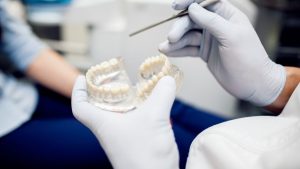
When it comes to replacing teeth, crowns and bridges aren’t the only option. Dentures and implants are also used in modern dentistry.
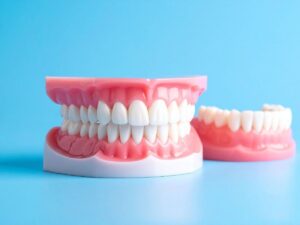
Dentures are removable and tend to be used when multiple teeth or full arches are missing. However, they can sometimes move around in the mouth and need more maintenance. Implants are permanent and are placed into the jawbone. While strong and long lasting, implants require surgery and healing time.
Bridges, on the other hand, are faster to place and often more affordable. They don’t require surgery and are supported by the teeth you already have. For many people, especially those looking for a quicker solution, crowns and bridges are ideal.
Real World Example
One patient visited Dental and Facial Clinic West Ryde with a cracked back tooth. Chewing on that side was painful, and the tooth looked discoloured. The dentist recommended a ceramic crown. Within two visits, the crown was placed. Not only did it restore the patient’s ability to eat, but the tooth also looked natural, blending in perfectly with the rest of the smile.
Bridge Success Stories
A young mother had lost a front tooth in a sports injury. She was embarrassed to smile and avoided photos. Her dentist placed a bridge supported by crowns on the neighbouring teeth. Just weeks later, she said she felt like herself again, confident, happy, and smiling without hesitation.
Frequently Asked Questions (FAQs)
Q: Is the procedure painful?
A: Most patients report little to no pain during crown or bridge procedures. Local anaesthesia is used to numb the area.
Q: Can I eat normally after getting a crown or bridge?
A: Yes, once the final piece is cemented, you can return to eating normally. Just avoid very hard or sticky foods.
Q: Do crowns or bridges ever fall out?
A: It’s rare, but they can come loose if the cement weakens or if there’s damage. Regular dental visits help prevent this.
Q: Are there alternatives if I can’t get a bridge?
A: Yes. Dentures or dental implants might be options, depending on your oral health and preferences.
Conclusion
If you’re living with a broken, weak, or missing tooth, you don’t have to settle for discomfort. Dental crowns and bridges offer safe and lasting solutions to restore both function and appearance.
These treatments can strengthen damaged teeth or replace missing ones, helping your smile look natural again.
Whether you’re fixing a single tooth or replacing several, crowns and bridges have helped many people feel more confident and comfortable. They’re designed to improve chewing, speaking, and overall oral health.
A few dental visits could make a big difference. Talk to your local dental team and find out if crown and bridge treatments are right for you. A stronger, healthier smile may be closer than you think.
Sources: